
Swiss chard is a very healthy leafy green vegetable, which is characterized by colored stems and dark green leaves. It is related to spinach and beetroot and has existed in healthy diets across the globe. Swiss chard is appreciated due to the high level of nutrients, simple ways of cooking, and various health advantages. It may be added to daily meals to enhance the general health and well-being.
What is Swiss Chard
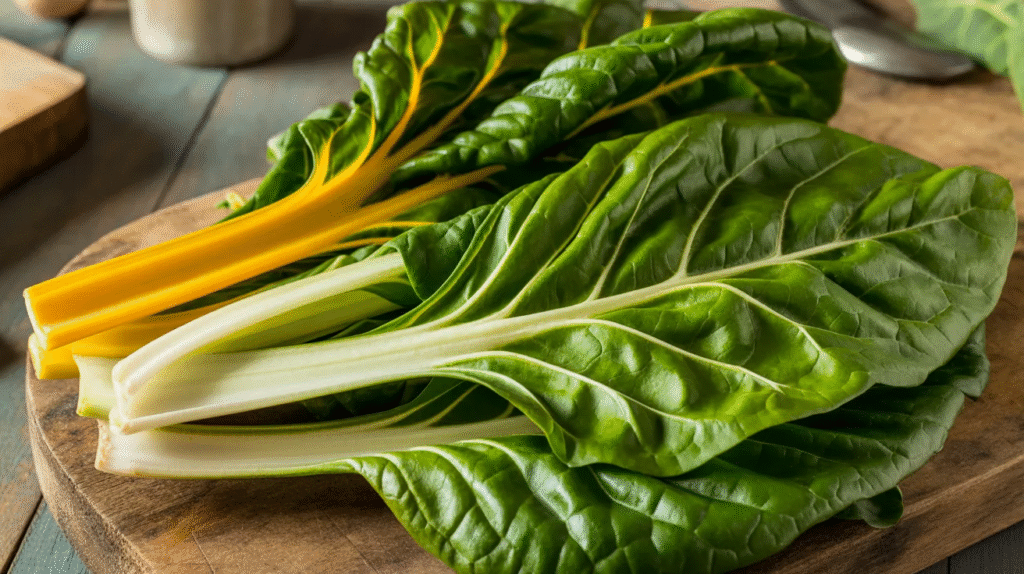
Swiss chard is a green leafy vegetable that has large stems and leaves which may be white, yellow, reddish-red, or pink. It has a bitter yet good flavor which resembles spinach. The leaves and stems are both edible and eaten. This is an easy vegetable to grow in most climates and it is also sold in fresh markets.
Swiss chard can be described as a superfood as it offers a considerable number of vitamins and minerals at a very low calorie content. It is prevalent in salads, soups, or cooked foods.
Nutritional Value of Swiss Chard
Swiss chard contains some of the important nutrients that are vital to the body. It contains particularly high amounts of vitamins A, C, and K, which are related to the health of the eyes, immune system, and blood clotting and bone, respectively.
Magnesium, potassium and iron are other key minerals that are found in this vegetable. Magnesium assists in the work of muscles, potassium facilitates the health of the heart, and the iron is required to develop red blood cells. Fiber is also a good source of Swiss chard and it aids in digestion and in maintaining a healthy stomach.
The other significant attribute of Swiss chard is that it is an antioxidant. These substances assist in safeguarding the body against harm and the chances of chronic illnesses.
Health Benefits of Swiss Chard
Swiss chard is a nutritious food with numerous health advantages when taken in a normal diet. Among its primary advantages is the strengthening of heart health. Potassium aids in regulating blood pressure, whereas antioxidants prevent inflammation and keep the heart safe.
It also helps so much in the health of bones. Vitamin K and calcium are very high and assist in making the bones strong and decreasing the chances of developing bone related issues.
Swiss chard helps in boosting the immune system since it has Vitamin C and other protective substances. These are the nutrients that assist the body to combat infections and remain healthy.
Its other significant advantage is that it is useful in digestion. Its fiber content assists in enhancing the digestive system and avoids such issues as constipation. It also contributes to a healthy weight as it is not high in calories, yet it is high in nutrients.
Swiss chard can be also used to manage sugar levels. This is why it is a good option to choose when one wants to control the level of diabetes or to preserve the stable level of energy.
How to Cook Swiss Chard
Swiss chard is very easy to cook and can be prepared in different ways. It must be washed correctly before cooking to clean it. The leaves and stems may be cooked together or individually since the former will require more time to cook.
Sautée is one of the easy ways. The leaves and stems may be cooked in a pan using a small amount of oil, garlic and salt. The technique preserves nutrients and flavor.
The other is by boiling or steaming. It is possible to boil or steam Swiss chard and use as a side dish. It may also be added to stews and soups as an additional source of nutrition.
Swiss chard is also applicable in salads. Leaves of young plants can be consumed in their raw form whereas older leaves are consumed after being cooked. It could be combined with other vegetables to form healthy meals.
Alternatively, baking can be used where Swiss chard may be put in dishes such as casseroles or pasta. It has a mild taste that mixes with numerous foods.
Tips for Using Swiss Chard
Fresh leaves which are bright in color should be taken when purchasing Swiss chard. Wilted or broken leaves should be avoided. The refrigerator should store and take within a few days to eat in the best taste and nutrition.
Swiss chard can be cooked in a brief period in order to retain its nutrients. Excessive cooking can make it less vitamin rich. To make it more palatable, a bit of lemon juice can be added.
Conclusion
Swiss chard is a very useful nutritious vegetable that has numerous health benefits. It is high in vitamins, minerals, fiber, and antioxidants, and therefore is a great choice of a healthy diet. It helps in maintaining a healthy heart, makes bones strong, improves digestive system and enhances immunity. In addition, it is easy to cook and can be used in a variety of dishes.
The Swiss chard may be included in everyday meals and is an easy and sufficient way to enhance the overall health. It is very healthy and has a wonderful flavor, so it is actually a good addition to any healthy diet.