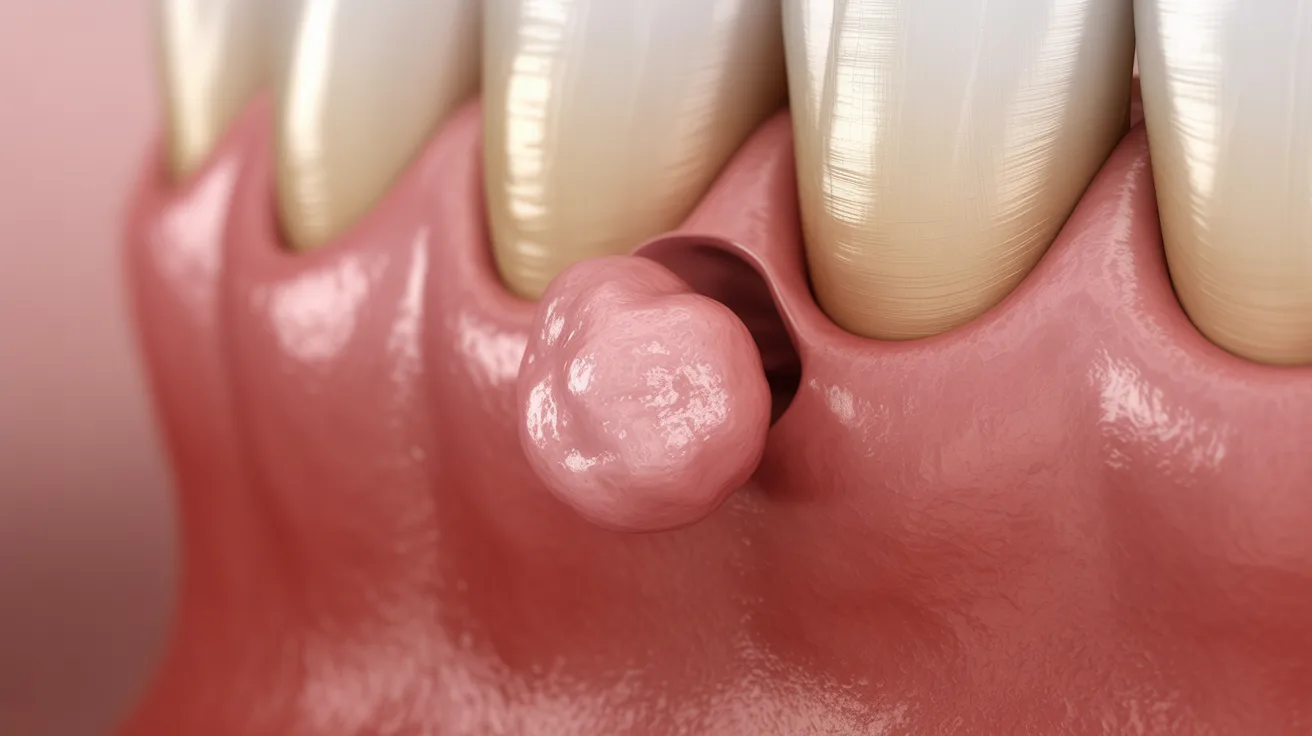
A bump on gums is a dental health condition that most individuals have encountered at one time of their lives. It may manifest itself as a small swelling, lump or elevation on the gum adjacent to or in proximity to a tooth. It can be both soft and hard, and pain or no pain. Although there are harmless gum bumps, there are also harmful ones that may indicate a certain dental issue that has to be addressed.
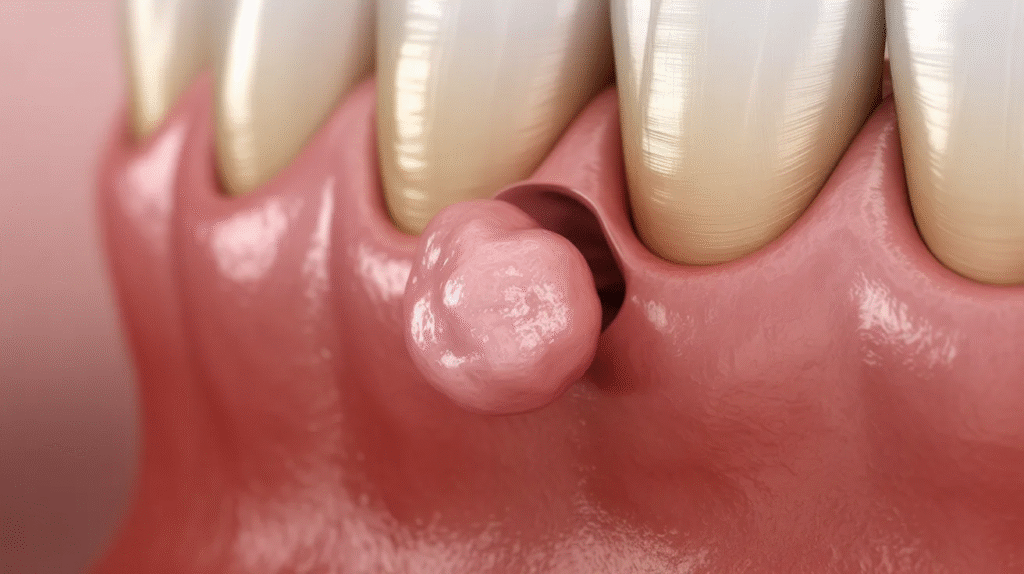
A bump on the gums is not something that many people will pay much attention to, provided it is not painful. However, this can be a mistake. Even painless bumps can be the initial symptoms of infection or any other dental problems that may become more severe with time. By disregarding them, one may face even greater issues, such as serious infections or tooth and gums damage.
Gum bumps are painful or painless. Infected, inflamed, or injured painful bumps most frequently occur, whereas painless ones can slow down as a result of irritation, cysts, and more. It is worth learning the distinction between the two in order to take the necessary steps towards treatment.
Bump on Gums Causes
You can have numerous causes of why a bump may develop in your gums. Such reasons may include simple irritation to severe dental problems. The precision in finding the cause is significant since it contributes to the selection of the appropriate treatment.
It is usually caused by infections, oral hygiene, tooth decay, gum disease and even trauma. In other cases, a bump can be developed following dental surgeries or because teeth are growing, e.g. the wisdom teeth.
The cause is also beneficial in preventing future problems. In case the problem is caused by the lack of oral hygiene, such simple steps as improving your brushing and flossing schedule can have a significant effect. In case it is an effect of infection, it needs treatment before complications can be developed.
Bump on Gums Not Painful
Not painful bump on gums may not appear harmful but it should not be overlooked. Painless bumps in most instances are slow growing and may not lead to instant pain, but still can be an indication of underlying problems.
Cysts, fibromas or mild irritation may cause some painless bumps. These conditions usually do not develop fast and they may not be painful unless they are infected or irritated.
Although no pain may be experienced, the bump should be monitored. When it becomes swollen, turns color or continues beyond two weeks, then you need to see a dentist. When the problem is early identified, more serious problems can be prevented.
Bump on Gums Pain
Pain on gums bumps is normally an indication that something is not right. Pain usually represents infection, inflammation, or pressure within the gum tissue. This form of bump can be tender, swollen or in some instances release pus.
Several painful gum bumps may be associated with dental abscesses, gum infections or severe tooth decay. These conditions are immediate in nature due to their potential to spread and impact the nearby teeth and tissues.
When the bump is severe by pain, swelling, and fever, it is necessary to consult a dentist at the earliest opportunity. These symptoms should not be neglected as they may cause severe complications.
Bump on Gums Above Tooth
An elevation on gums over tooth is normally connected to the tooth root. A dental abscess, a pocket of pus due to bacterial infection is one of the most widespread causes.
Such a bump can be painful and may even cause fluid to come out. It is a common occurrence that is caused by bacteria penetration in the tooth due to decay or trauma and propagation to the root.
Unattended, there is a risk of further spread of the infection to other parts. Thus, one should visit a dentist to be diagnosed and treated properly.
Bump on Gums Below Tooth
Gums/Swellings: Swellings on gums underneath a tooth may be due to swelling, cysts, or gum infections. Depending on the cause, it can either be soft or hard.
In some cases, this kind of bump is associated with gum disease or the gum tissue blockage of glands. It may also arise as a result of irritation or slight traumacy.
Although the bump may not hurt, it should be checked, and oral hygiene should be well maintained to eliminate chances of the bump developing.
Bump on Gums Near Tooth
Plaque or irritation on gums may result in a bump on gums next to a tooth. Bacteria may build up around the teeth and swell the gums.
This can be an early indicator of gum disease, e.g. gingivitis. At this state, the condition is normally reversible through proper care, such as flossing, brushing, and cleaning with the professional.
Failure to pay attention to it may result in greater gum issues and early intervention is essential.
Bump on Gums by Tooth
Tooth bump on gums It may happen when food particles become trapped between the teeth and gums. This may cause bacterial growth and trivial infections.
Sometimes it can also result due to irritation of brushing too harsh or with using the wrong dental tools.
The majority of minor bumps do not require any treatment and disappear on their own, however, when the swelling continues or causes pain, then you should visit a dentist.
Bump on Gums Behind Teeth
Wisdom teeth are often accompanied by a bump on the gums, which is behind teeth. The appearance of the wisdom teeth may cause pressure and swelling in the gums.
These places are also more difficult to clean and, therefore, the place is more likely to have an infection. Bacteria and food may be trapped easily resulting in inflammation and bumps.
Problems in these areas can be prevented by cleaning and regular check-ups of the teeth.
Bump on Gums After Root Canal
Post radio canal bump on gums could be normal aspect of healing process, however, it could also be a sign of problem.
There are instances that the tissue may heal with a small bump. Nonetheless, when the bump is sore, swelling or exuding pus it can be an indicator of infection or ineffective therapy.
After undergoing a root canal, it is necessary to consult your dentist in case you observe any abnormal symptoms.
Bump on Gums Treatment
A bump on gums can be treated depending on the cause. Major bumps can be cured through self care and some minor bumps can be cured by professionals.
Homeopathic remedies involve warm salt water rinses, oral care, and food avoidance. The following measures can assist in swelling down and avoid infection.
But in case of painful, persistent, or increasingly worsening bump, a dentist is to be seen. Professional treatment can involve cleaning, medication, draining out the infection and even other dental measures.
Bump on Gums Causes
Abscess
Dental abscess is an acute infection that results in a painful pus filled swollen on the gums.
Cyst
Cysts are fluid filled structures which may develop in the gums and are mostly painless.
Gum Infection
The gums may swell, redden, and get bumps as a result of bacterial infection.
Canker Sores
Gums Small ulcers may develop and be painful.
Fibroma
A benign tumor that occurs after constant irritation.
Gingivitis
Mimic inflammation of the early stage gum disease leading to swelling and redness.
Periodontitis
Severe periodontal disease which may harm gums and bone.
Tooth Decay
Serious decay may cause infection and swellings of the gums.
Injury
Temporary bumps may be due to physical damage of gums.
Wisdom Tooth Eruption
The swelling and bumps may be brought about by the growing wisdom teeth.
Failed Dental Treatment
Misplaced or unfinished dental treatment may cause some complications.
Oral Irritation
Bumps can be brought about by irritation caused either by food or braces or dental tools.
Prevention Tips
As a way of preventing gum bumps, it begins with good oral hygiene. Practicing flossing and brushing your teeth twice a day may be used to eliminate plaque and bacteria.
It is also significant to have regular dental visits. Dentists will be able to identify issues in their early stages and deliver professional cleaning to maintain healthy gums.
Healthy diet is also involved. Eat a lot of food and beverages with minimal sugar content and consume foods that are healthy to the gums.
Conclusion
Bumps on gums are either painful or painless, and both of them should be taken seriously. Although others may not be harmful, some bumps can be a sign of infection or dental issues, which need treatment.
The secret of avoiding complications is early diagnosis. One of the ways to take care of your oral health is to pay attention to the changes in your gums and find the proper dental care in time.
Consult a dentist always in case you are not sure about any problem of the gum. Acting fast will help you to avoid pain, discomfort, and even greater troubles in the future.